When a homeowner hears "lifetime warranty" on a paver project, they usually picture one blanket promise that covers anything that could go wrong. In reality, that phrase almost always refers to the manufacturer's coverage on the paver material itself, which is a completely different thing from the installer's warranty on how the project was built. Knowing which warranty covers which failure is what actually matters when something goes wrong two or three years down the road, and it's also the single most misunderstood part of the buying decision — homeowners compare "lifetime" against "25 years" and assume they're comparing the same kind of protection, when they're often not comparing the same warranty type at all.
Two warranties, two different failure points
Every paver project comes with two separate warranties that almost never overlap:
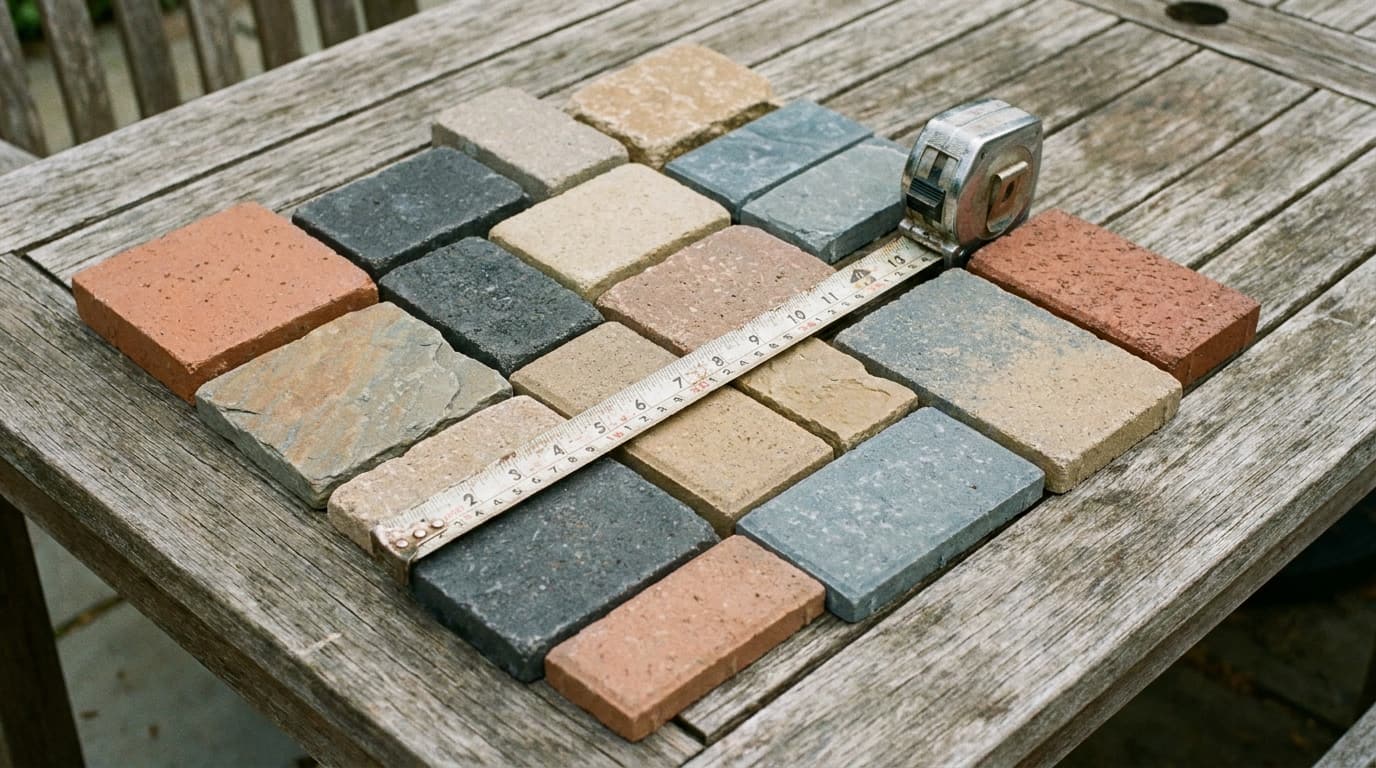
- Manufacturer warranty — covers defects in the paver unit itself: premature cracking, chipping, or spalling from a manufacturing flaw, and excessive color fade beyond the manufacturer's stated tolerance. These commonly run 20 years to lifetime on the material only.
- Workmanship warranty — covers how the project was installed: base settling, sunken or heaving pavers, joint sand washout, and edge restraint failure. We back our installations with a 5-year workmanship warranty, which is on the longer end for the Charlotte market.
A cracked paver from a truck driving over an unsupported edge isn't a manufacturer issue — that's an installation and use issue, which is exactly what a workmanship warranty exists to cover.
What the manufacturer actually stands behind
Manufacturer coverage is narrow by design. It applies to the paver unit failing on its own, under normal use, due to how it was made — not how it was installed or what happened to it afterward. A paver that cracks because the base beneath it settled unevenly is not a manufacturing defect, even though the paver itself is the thing that visibly failed. Filing a manufacturer claim typically requires the original purchase documentation and, often, photos showing the failure pattern is consistent with a material defect rather than an installation or ground movement issue. In our experience, genuine manufacturer claims are uncommon — most concrete pavers from a reputable manufacturer simply don't fail on their own within the warranty period, which is exactly why the workmanship side ends up mattering more day to day.
What our workmanship warranty covers
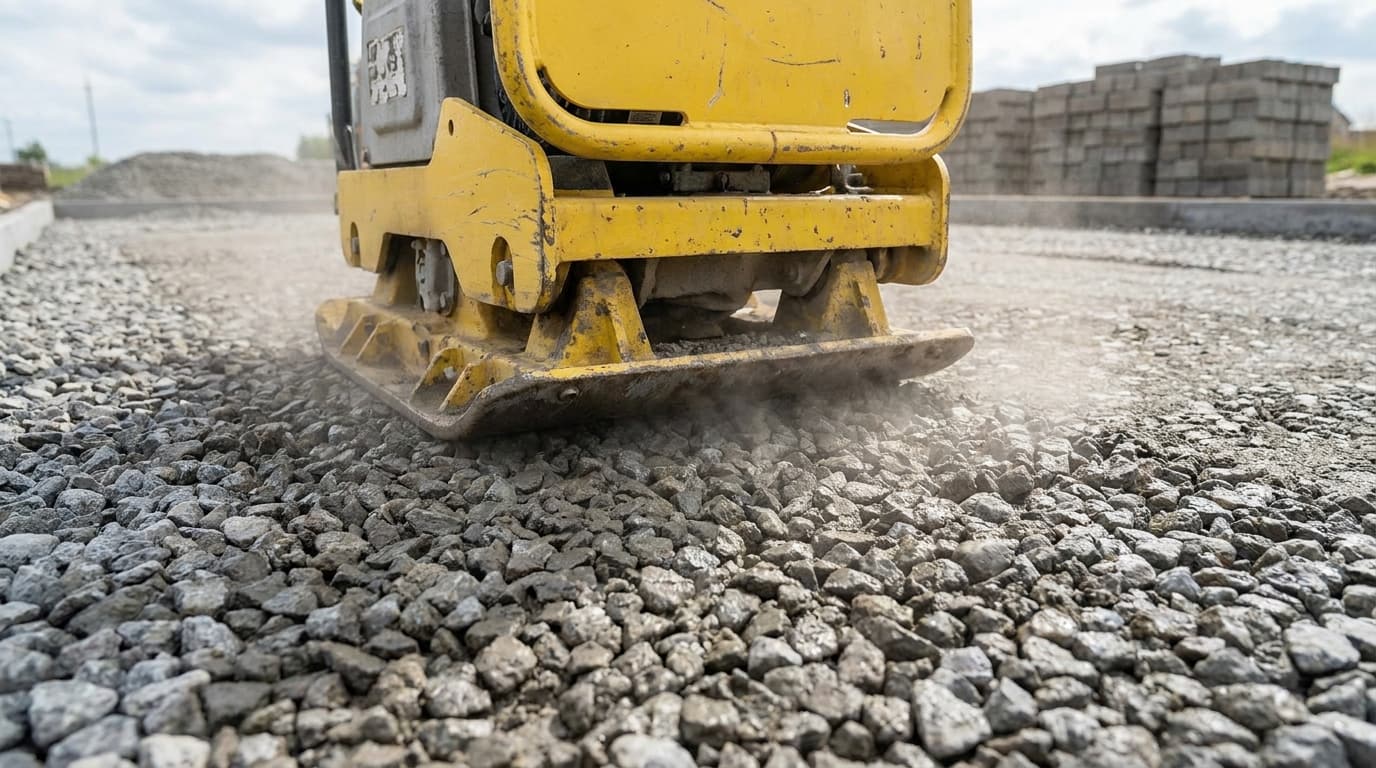
This is the warranty that actually matters for most of the problems homeowners call about. If a section of patio develops a low spot because the base wasn't compacted evenly, if joints start opening up because the edge restraint wasn't anchored properly, or if pavers near a drainage path start shifting because water was cutting under the base — that's workmanship, and it's on us to fix at no charge within the warranty period. This is also why the length and clarity of a workmanship warranty matters more, in practice, than the manufacturer's number, since workmanship failures are what homeowners actually experience most often.
What voids a paver warranty
Warranties aren't unconditional, and a few things reliably void one or both:
- DIY repairs or resets that weren't done to the original installation spec
- Ice melt products containing certain chloride compounds, which can accelerate spalling on some paver materials
- Vehicle or equipment loads beyond what the base was designed for — parking a heavy trailer or box truck on a patio-rated base, for example
- Tree roots or major landscaping changes made after installation that disturb the base without the installer's involvement
We put these exclusions in writing on every contract specifically so there's no ambiguity later about what's covered and what isn't, and we'd rather a homeowner know upfront what could void coverage than find out the hard way after a claim gets denied.
How to compare warranty terms when you're evaluating contractors
Don't just ask "do you offer a warranty" — ask three specific questions: how many years is the workmanship warranty, does it explicitly cover base settling and joint sand washout by name, and is it transferable if you sell the home within the warranty period. A one-year workmanship warranty is common among lower-bid contractors and tells you they're not standing behind the base work for very long, since most base-related settling issues don't even show up in the first year — they tend to surface after a full cycle or two of freeze, thaw, and heavy rain has had a chance to test the ground underneath. A warranty that only mentions "materials" and says nothing about installation is, in practice, no workmanship protection at all — get it clarified in writing before you sign, and ask the contractor to name the specific failure modes it covers rather than accepting a vague sentence about "quality workmanship."
It's also worth asking how a warranty claim actually gets handled in practice — do they come look at it themselves, how quickly, and is there any cost to the homeowner for the visit itself. A contractor who can describe their claims process specifically, rather than just restating the warranty length, is usually one who's actually had to honor it before.
A real Charlotte scenario: a workmanship claim in Waxhaw
A patio we installed in Waxhaw roughly three years earlier developed a soft, slightly sunken section along one edge after an especially wet stretch of weather. The homeowner called under our workmanship warranty, and within a week we were back out to look at it — we pulled the affected pavers, about 35 square feet of the total patio, and found the compacted base had settled where water had been collecting against a low point in the yard's grading that wasn't obvious at the time of the original install. We added additional drainage stone beneath that section, regraded slightly to direct water away, and reset the pavers to match the surrounding surface. The whole repair took about a day and a half. The repair cost the homeowner nothing, which is the entire point of a workmanship warranty actually meaning something — it's not a marketing line, it's a specific promise to come back and fix specific kinds of problems at no charge.
Frequently Asked Questions
No. Weed growth is considered ongoing maintenance, not a defect, and isn't covered under either warranty. Polymeric sand and periodic resealing reduce it significantly, but it isn't eliminated entirely.
Unpermitted DIY repairs are the most common one we see. A homeowner pulls up a few pavers to fix a small issue themselves, doesn't reset the base correctly, and that section is no longer covered because the original installation was altered.
Not necessarily. The manufacturer warranty only reflects the paver material's quality, not how the project was built. A 25-year manufacturer warranty paired with a 1-year workmanship warranty still leaves you exposed on the failures — base settling, drainage, joint issues — that are far more common than the paver material itself failing.
Yes — keep your signed contract, the final invoice, and any product documentation the manufacturer provided. Photos of the finished project shortly after installation are also worth saving, since they give a clear before-and-after reference if a claim ever needs to show how something has changed.
Planning something similar? See how we approach paver patio installation in Charlotte and the surrounding metro, or find your town in our service area.
Get a Free Estimate
Ask any contractor exactly what their workmanship warranty covers and for how long before you sign — we'll put ours in writing.
Get a Free Estimate