Most homeowners get three paver quotes expecting three numbers for the same project. What they usually get instead is three different projects wearing the same square footage. One contractor priced a 4-inch base, another priced 6 inches. One included haul-off, another didn't mention it. Comparing the bottom line without comparing what's actually inside each number is how homeowners end up picking the cheapest bid and the most expensive outcome. The fix isn't getting more quotes — it's making sure every quote you do get is pricing the exact same job.
Why three bids for "the same patio" rarely match
We've walked into second-opinion estimates where three quotes for what the homeowner described as an identical 400-square-foot patio ranged from $8,200 to $16,400. That's not three contractors valuing their labor differently — it's three contractors scoping three different jobs. Base depth, paver grade, edge restraint material, drainage work, and what's included versus billed as an add-on all move the number independently of square footage. Until you standardize what each contractor is actually pricing, the bottom line tells you almost nothing.
What to lock down before you request a single quote
Before you call anyone, write down the exact same scope and hand it to every contractor word for word:
- Exact square footage — measure it yourself or get one contractor to measure it first, then give that same number to everyone so nobody is quoting off their own rough guess
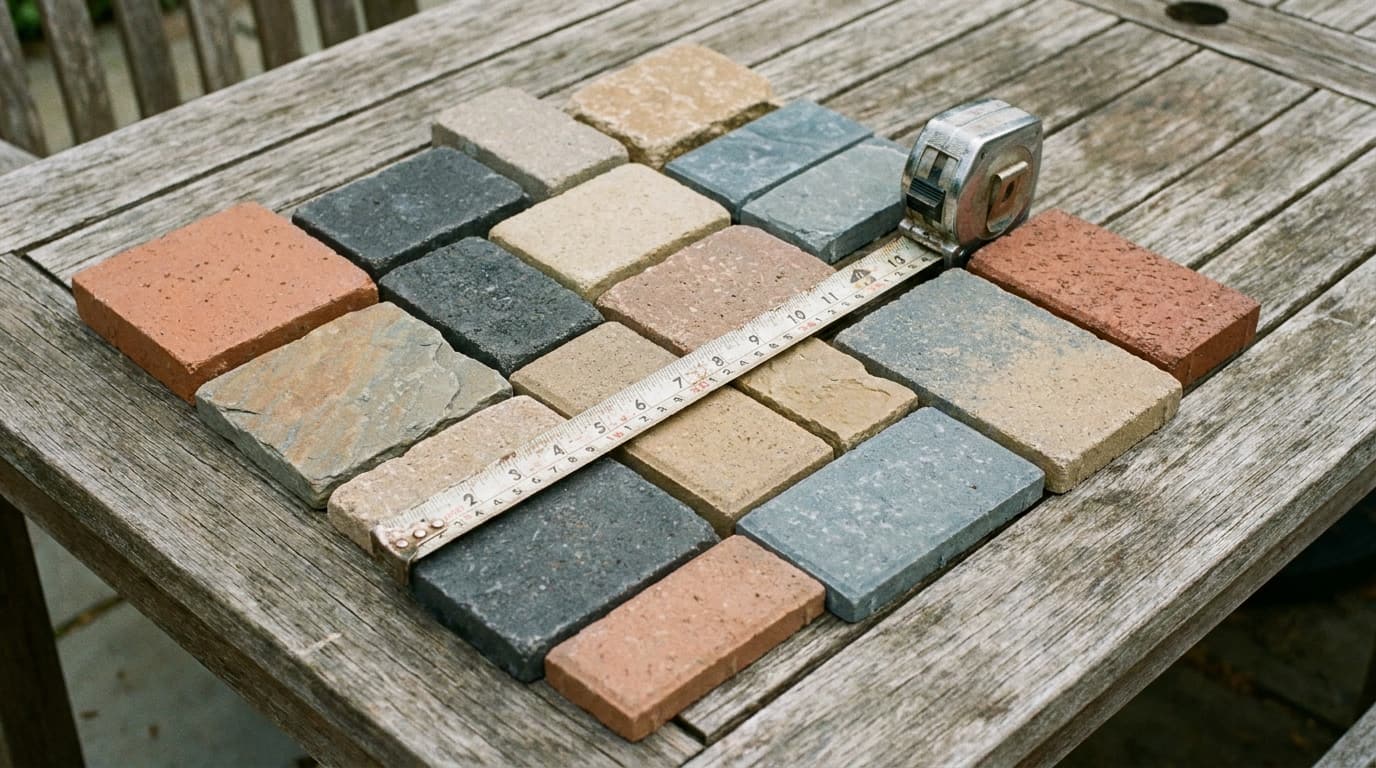
- Paver grade or brand — name a specific product line, not just "pavers," since price per square foot can swing 40-60% between a basic concrete paver and a premium or porcelain option
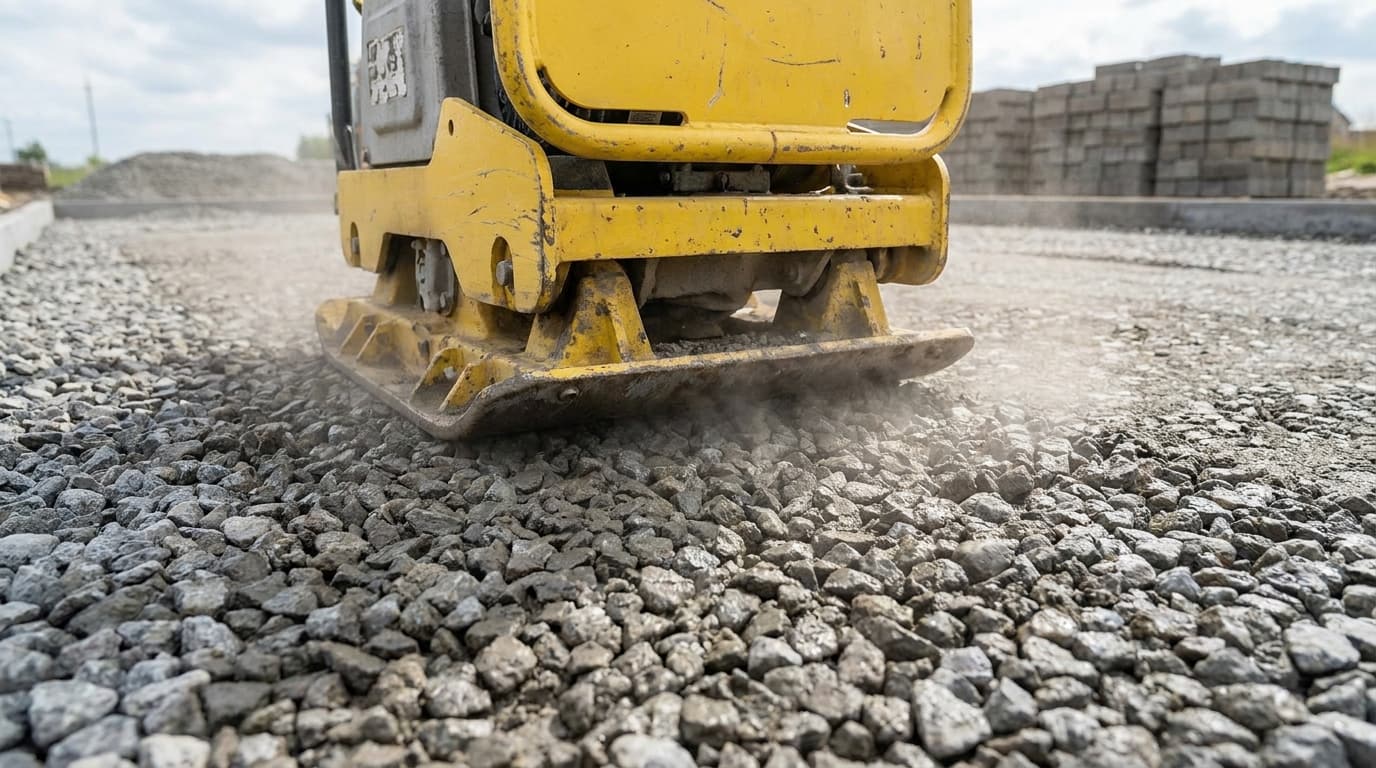
- Base depth — specify what you want quoted (we typically recommend 4 inches of compacted aggregate for patios, 6-8 inches for driveways) so nobody can quietly thin it out to win on price
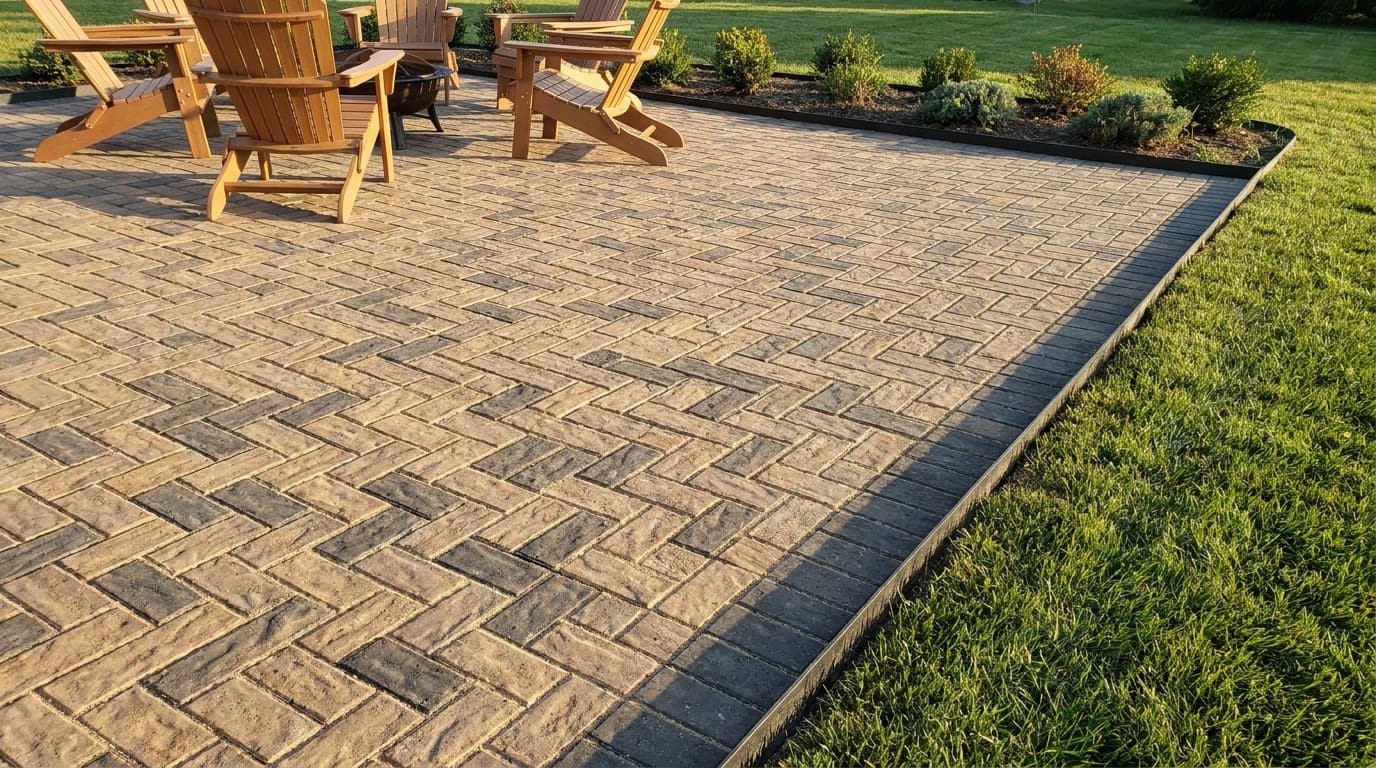
- Edge restraint type — plastic spike edging versus a mortared or concrete edge restraint is a real cost and durability difference
- Drainage scope — tell every bidder whether you want a discreet drain, a slope-only solution, or a French drain tie-in included
Handing every contractor the same written scope is the single biggest thing you can do to make three numbers actually comparable.
Reading how a bid is written
A one-line lump sum — "Paver patio, 400 sq ft: $11,500" — tells you almost nothing about what's inside it. A bid worth trusting breaks out base prep, paver material, edge restraint, joint sand, and any drainage or excavation work as separate line items, even if the total is the same number. Itemized bids also make it obvious where a "too good to be true" price is coming from — usually a thinner base, cheaper edge restraint, or no haul-off included, all buried under one round total.
Watch for the word "allowance" too. An allowance means the contractor has budgeted a placeholder dollar figure for something — often paver material — rather than pricing an exact product. That's not automatically a problem, but an allowance that's noticeably lower than what the paver you actually want costs per square foot is a quiet way for a final bill to climb after you've already signed. Ask what specific product the allowance is based on, and get it named in the contract rather than left as a dollar figure alone.
Red flags to watch for in a written quote
- A quote with no mention of base depth or base material at all
- Vague language like "standard installation" instead of a stated compacted base thickness
- No haul-off or disposal line — meaning the old material or excess soil becomes your problem
- A price that's dramatically lower than the other two bids for the same written scope, with no explanation for the gap
- No mention of a workmanship warranty or how long it lasts
Questions to ask before you sign anything
- What's the compacted base depth, and what material is it made of?
- Is disposal and haul-off of old material included in this price?
- What's the workmanship warranty, and does it cover base settling specifically?
- Who pulls the permit if one's required, and is that fee in this number?
- What happens if you hit rock, tree roots, or poor soil during excavation — is that a change order, and roughly what would it cost?
A contractor who answers all five clearly and specifically, without hedging, is telling you something about how they run jobs.
Why the lowest bid often isn't actually the same scope
It's tempting to treat the lowest number as the best deal, but in our experience the lowest of three bids is rarely just a leaner margin on the identical job — it's usually a smaller job wearing the same square footage. A contractor pricing to win on number alone has to cut something to get there, and base depth is the easiest place to cut because it's invisible once the pavers are down. We've seen "identical" bids differ by a full inch or two of compacted base, the presence or absence of geotextile fabric, and whether polymeric sand or basic joint sand was assumed. None of that shows up in a side-by-side total — it only shows up if you ask each contractor to itemize what's actually in their number. A $2,000 gap between two bids for the same square footage is almost never free money; it's a difference in what's getting built underneath the surface.
A real Charlotte scenario: three bids in Pineville
A homeowner in Pineville reached out after collecting three quotes for a 380-square-foot back patio, ranging from $9,400 to $15,100. We asked her to send us all three in writing. The lowest bid specified a 3-inch base with no geotextile fabric and plastic spike edging; the middle bid, ours, specified a 4-inch compacted base with fabric and a mortared edge restraint; the highest bid used a similar base spec but included full lawn regrading well beyond the patio footprint that she hadn't asked for. None of the three had actually quoted the same job, even though all three referred to it as "a 380-square-foot patio" in their paperwork. Once she saw the three scopes side by side instead of just the three totals, the decision wasn't really about price anymore — it was about which contractor had priced the job she actually wanted, and she ended up going with the middle bid once the lowest one couldn't explain in writing what its base spec actually was.
Frequently Asked Questions
No — it's standard practice, and any contractor worth hiring will welcome it. It's harder to lowball a homeowner who's already specified base depth and paver grade in writing.
Three is the sweet spot. One quote gives you no comparison, and beyond three or four you're mostly adding scheduling hassle without much new information.
No, but it deserves the most scrutiny. Ask specifically what's different about the scope before assuming it's just a leaner margin — sometimes it is, but often it's a thinner base or missing line items.
Planning something similar? See how we approach paver patio installation in Charlotte and the surrounding metro, or find your town in our service area.
Get a Free Estimate
Send us your other two quotes and we'll walk you through what's actually different between them before you decide.
Get a Free Estimate